

In recent years, microgreens have become one of the biggest trends in healthy eating, gourmet cooking and sustainable gardening. These young vegetable greens are small in size, but big in flavour, colour and nutritional value. Microgreens are an easy, delicious way to boost your diet, whether you are a health enthusiast, home gardener or a food lover wanting to elevate your meals.
Microgreens are grown in soil or growing mediums and harvested when the first true leaves develop, unlike sprouts which are grown in water. They are harvested between 7-21 days after germination and are among the fastest growing crops available.
Microgreens can turn ordinary meals into nutrient-dense fare and introduce fresh flavours and appealing from salads and sandwiches to smoothies and soups.
What are Micro greens?
Microgreens are the young seedlings of vegetables, herbs and edible flowers, harvested before they mature. They are small but they pack a concentrated amount of nutrients, often more than you’ll find in full-size vegetables
Popular varieties include;
Basil
Broccoli
Radish-white,pink,purple,purple
Cabbage
Cauliflower
Sunflower
Mustard
Chia
The different varieties have unique tastes, which can be sweet and mild, or spicy and peppery.
Nutritional Value of Microgreens
Among the main factors driving the popularity of microgreens is their nutritional density.
According to studies, many types of microgreens have more vitamins and antioxidants than full-grown versions of the same vegetables.
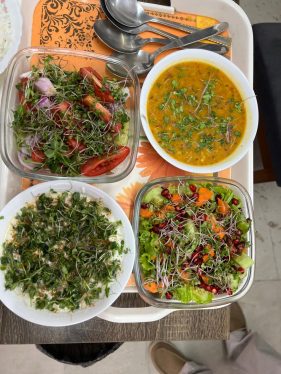
Common nutritional components of microgreens are:
Vitamin A
Vitamin C
Vitamin E
Vitamin K
Folate
Iron
Potassium
Magnesium
Zinc
Calcium
Dietary fiber
Antioxidants
As they are picked early, there are stored nutrients in microgreen plants needed for quick growth.
Top Health Benefits of Microgreens
- Antioxidant-Rich
Microgreens have antioxidants, which neutralize free radicals.
Health benefits are:
Decreased oxidative stress
Delayed aging process
Inflammation reduction
Cell health
- Cardioprotective
A number of them have compounds that might aid in:
Reducing bad cholesterol levels
Improving blood flow
Lowering blood pressure
Maintaining healthy arteries
Consuming microgreens along with a well-balanced diet might contribute to better heart health.
- Improves Immunity
Microgreens are a good source of Vitamin C and Vitamin A.
They will help in:
Enhancing immune response
Recovery
Protection against infections
Prevention of common diseases during the seasons
- Blood Sugar Control
Some microgreens, specifically broccoli microgreens, have natural compounds that can be useful in maintaining healthy blood sugar levels when consumed in a balanced diet.
- Better Digestion
Microgreens contain fibers which are beneficial in:
Healthy digestion
Maintaining gut bacteria
Bowel movement
Absorption of nutrients
- Eye Health
Carotenoids and Vitamin A containing microgreens contribute to:
Proper vision
Healthy retina
Prevention of any age-related issues in eyes
- Good Skin
Vitamins C and E containing microgreens help in:
Production of collagen
Skin cells
Anti-aging
Elasticity of the skin
- Weight Loss
Microgreens are:
Low in calories
Nutrient-rich
Filling
They can be added in healthy weight loss diets.
- Weight Loss Friendly
Microgreens are:
Low-calorie food
High in nutrients
Satiating
Easy to include in meals
Thus, they can be included in your diet for healthy weight loss.
Popular Microgreens
Broccoli Microgreens
Advantages:
High Sulforaphane content
Abundance of Vitamin C
Aids detoxification
Very high antioxidant content
Flavor:
Earthy and mild flavor.
Radish Microgreens
Advantages:
Abundance of Vitamin C
Helps digestion process
Aids antioxidants
Flavor:
Spicy and peppery.
Pea Shoots
Advantages:
High Protein content
Abundance of Vitamin K
Provides fiber
Flavor:
Fresh and sweet.
Sunflower Microgreens
Advantages:
High in healthy fat content
Provides Vitamin E
High in magnesium
Flavor:
Nutty and crunchy.
Mustard Microgreens
Advantages:
Ant-inflammatory compounds
High in antioxidants
Flavor:
Spicy.
How to Grow Microgreens at Home
It is easy to grow microgreens and they require only small space.
Needed Materials
Growing tray
Growing medium (potting soil or coco peat)
Seeds
Spray bottle
Light (either natural or artificial)
Steps
Prepare the growing medium in the tray
Sprinkle the seeds evenly
Lightly push seeds into the soil
Mist them
Cover for 2-3 days
Take off the cover after germination
Give light daily
Water gently
Harvest in 7-14 days
Best Ways to Eat Microgreens
The Top Ways to Incorporate Microgreens into Your Diet
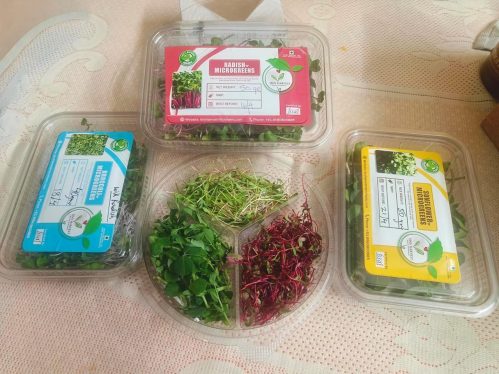
Microgreens are super versatile.
They’re fantastic to add to:
* Salads
* Sandwiches
* Burgers
* Wraps
* Smoothies
* Omelets
* Soups
* Pizza
* Rice bowls
* Pasta dishes
* Tacos
* Avocado toast
It’s generally best to eat microgreens raw to ensure you get the maximum nutrient boost.
Here are some of our favorite delicious microgreen recipes:
1. Fresh Microgreen Salad
* Ingredients: 2 cups mixed microgreens, cherry tomatoes, cucumber, red onion, olive oil, lemon juice, salt, and pepper to taste.
* Instructions: Combine all your vegetables in a bowl. Dress with olive oil and lemon juice, then season with salt and pepper. Serve immediately.
2. Avocado Microgreen Toast
* Ingredients: 1 slice of whole-grain bread, ½ ripe avocado, a generous handful of mixed microgreens, chili flakes (optional), juice of ½ lemon, and a pinch of salt.
* Instructions: Toast the bread until golden. Mash the avocado and spread it evenly onto the toast. Top generously with your microgreens, then sprinkle with chili flakes (if using) and the lemon juice. Add a pinch of salt.
3. Green Microgreen Smoothie
* Ingredients: 1 ripe banana, 1 cup spinach, 1 cup mixed microgreens, ½ apple, ½ cup almond milk (or your milk of choice), 1 tsp honey (or to taste).
* Instructions: Place all ingredients in a blender and blend until smooth. This is a fantastic breakfast option.
4. Microgreen Omelet
* Ingredients: 2 large eggs, ¼ cup cheese (your favorite), 2 tbsp mixed microgreens, salt and pepper to taste.
* Instructions: Whisk the eggs with salt and pepper. Cook them in a non-stick pan until almost set. Sprinkle with cheese and microgreens, then fold the omelet over. Cook for another minute or until cheese is melted.
5. Pasta with Microgreens
* Ingredients: Cooked pasta of your choice, 2 cloves minced garlic, 2 tbsp olive oil, grated Parmesan cheese, and a handful of mixed microgreens.
* Instructions: Toss the warm cooked pasta with minced garlic and olive oil. Stir in the Parmesan cheese and top with fresh microgreens just before serving.
6. Microgreen Pesto
* Ingredients: 2 cups basil microgreens, 2 cloves garlic, ½ cup olive oil, ¼ cup grated Parmesan cheese, ¼ cup pine nuts.
* Instructions: Combine basil microgreens, garlic, olive oil, Parmesan, and pine nuts in a food processor. Blend until smooth. Serve over pasta or on sandwiches.
7. Chicken & Microgreen Wrap
* Ingredients: 1 whole wheat wrap, sliced grilled chicken, lettuce, a generous handful of mixed microgreens, and your favorite yogurt dressing.
* Instructions: Layer chicken, lettuce, and microgreens onto the wrap. Drizzle with dressing and roll up tightly. Slice in half and enjoy.
8. Vegetable Buddha Bowl
* Ingredients: Brown rice, assorted roasted vegetables (like sweet potatoes, broccoli, bell peppers), chickpeas, sliced avocado, and a heap of mixed microgreens.
* Instructions: Assemble the bowl starting with brown rice. Add the roasted vegetables, chickpeas, and avocado. Top generously with fresh microgreens and a tahini dressing.
How to Store Microgreens to Keep Them Fresh
* Refrigerate microgreens immediately after harvesting.
* Store them in an airtight container to prevent wilting.
* Ensure they are dry until ready to use-avoid washing before storage.
* Consume within 5-10 days for the best flavor and nutrient profile.
Are There Any Precautions to Consider?
While generally safe to consume, microgreens do require a few precautions:
* Source your seeds from reputable suppliers.
* Practice good hygiene-wash your hands, growing equipment, and surfaces thoroughly.
* Maintain clean growing environments.
* Discard any microgreens that show signs of mold, discoloration, or spoilage.
* Refrigerate them promptly after harvest.
Those with compromised immune systems should exercise extra caution to ensure proper growing and handling practices are followed.
Why Are Microgreens a Sustainable Food Choice?
Microgreens are remarkably eco-friendly because:
* They use less water compared to many established crops.
* Their small size makes them ideal for urban gardening and limited spaces.
* They mature rapidly, allowing for frequent harvests.
* They can be cultivated indoors year-round.
* Local or home growing significantly reduces food miles.
This efficient resource utilization makes them a practical and responsible option for sustainable food production.
Frequently Asked Questions About Microgreens
* Are microgreens healthier than mature vegetables? While some microgreens boast higher levels of specific vitamins, minerals, and antioxidants than their adult counterparts, both stages of plant growth are vital and nutritious.
* Can I eat microgreens every day? Yes, they can be a beneficial part of your daily diet when consumed in moderation as part of a balanced eating pattern.
* Do microgreens need to be cooked? Typically, microgreens are eaten raw to preserve their delicate texture and nutrient density. However, they can also be added to warm dishes just before serving for a touch of freshness.
* How long does it take to grow microgreens? Most microgreen varieties are ready for harvest between 7 and 21 days after planting.
In Conclusion: Small Greens, Big Benefits
Microgreens might be small, but they deliver significant advantages for health and flavor. Bursting with vitamins, minerals, antioxidants, and beneficial phytonutrients, these tiny powerhouses are an effortless way to boost your daily meals and support overall well-being. Whether you sprinkle them on a salad, blend them into a smoothie, tuck them into a sandwich, or use them as an elegant garnish, microgreens add an immediate burst of freshness and nutrition to any dish.
Cultivating microgreens at home is inexpensive, requires minimal space, and provides a continuous supply of fresh produce throughout the year. When combined with simple, wholesome recipes like those shared above, they can transform your approach to healthy eating, making it both enjoyable and sustainable.
By adding just a handful of microgreens to your meals, you can embrace a healthier, more diverse diet and spark creativity in your kitchen.
